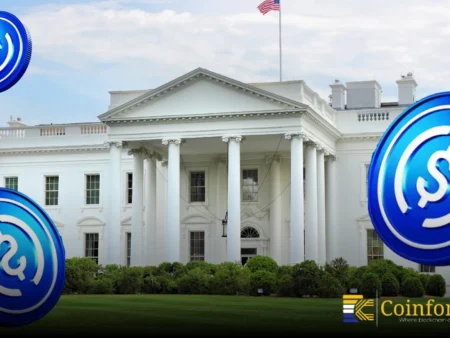

The Future of Innovation in US Crypto Regulations: A Path Towards Cooperation
Table of Contents
- Introduction
- The Current Landscape: Banks vs. Crypto Firms
- Senator Tim Scott’s Vision for Compromise
- Stablecoin Regulation: A Key Topic
- Shifting Perspectives: From Conflict to Cooperation
- Community Voices: A Divided Reaction
- What Lies Ahead for the Crypto Market
- FAQs
- Conclusion
Introduction
As the cryptocurrency landscape evolves, so do the challenges and opportunities it presents, particularly regarding regulations. Recent discussions led by US Senator Tim Scott have sparked optimism about potential compromises between crypto firms and traditional banking institutions. This article explores the current state of digital finance regulation, the implications of proposed compromises, and the future of innovation in the United States.
The Current Landscape: Banks vs. Crypto Firms
Historically, the relationship between banks and crypto firms has been fraught with tension. Banks often view the cryptocurrency sector as a risk-laden market lacking adequate regulations. In contrast, crypto companies seek innovation without the constraints of traditional financial frameworks. This dichotomy has impeded advancements and created an uncertain environment for investors and consumers alike.
| Aspect | Banks | Crypto Firms |
|---|---|---|
| Regulatory Environment | Highly regulated | Under-regulated |
| Innovation Speed | Slow and cautious | Fast-paced and adaptive |
| Consumer Protection Goals | Strong | Varies by company |
| Risk Perception | High risk | Opportunity for growth |
Senator Tim Scott’s Vision for Compromise
Senator Tim Scott, as the Senate Banking Committee Chairman, emphasizes that a compromise between crypto firms and banks could significantly benefit the US economy. Scott believes that clear regulations can both protect consumers and foster innovation. His statement illustrates a forward-looking approach:
“We can protect consumers and community banks while still allowing innovation and competition to lower prices and expand access.”
This sentiment echoes the growing consensus that balanced regulations might be the key to unlocking the full potential of the digital finance ecosystem.
Stablecoin Regulation: A Key Topic
One of the central themes in current regulatory discussions is stablecoin regulation. Lawmakers are debating the parameters within which digital dollars should operate in the US financial landscape. The ongoing conversations aim to find a middle ground where crypto innovation thrives while maintaining robust consumer protections.
Key Points on Stablecoin Regulations
- Custody Rules: Recent reports suggest that clearer custody frameworks could be established to allow banks to securely hold digital assets, facilitating safer transactions.
- Consumer Protection: Strong oversight is sought to protect users from potential losses associated with unstable digital currencies.
- Innovation Space: Crypto companies are advocating for regulations that give them room to develop novel use cases without excessive constraints.
Shifting Perspectives: From Conflict to Cooperation
The tone of discussions is shifting from confrontation to cooperation. Scott’s recent comments signify a growing recognition that collaboration between banks and crypto firms could strengthen the overall financial system. This pivot holds the potential to align both sectors’ interests and facilitate a more integrated approach to digital asset management.
Benefits of Cooperation
- Stronger Financial System: Collaboration could lead to more resilient infrastructure and better consumer experiences.
- Reduced Uncertainty: Clearly defined regulations can diminish ambiguity, fostering responsible innovation.
- Maintaining Competitive Edge: The US could maintain its status as a global leader in finance by harmonizing regulatory efforts with innovation.
Community Voices: A Divided Reaction
Online reactions to the proposed compromises reveal a mixed bag of sentiments. While proponents see a merging of traditional finance and innovative technology as a game-changer, skeptics warn of the risks involved.
Optimistic Views
- Integration of bank and crypto services could empower new applications such as tokenized real-world assets.
- Technological advancements can lead to faster transaction times and reduced costs.
Concerns Raised by Critics
- Increased bank influence may stifle innovation in the crypto space.
- Over-regulation could disadvantage smaller firms, favoring established banking institutions.
What Lies Ahead for the Crypto Market
As lawmakers grapple with the complexities of crypto regulations, a proposed compromise could signify a turning point in how digital currencies are managed in the US. The choice to implement balanced regulations rather than stringent controls will heavily impact the landscape in the coming years.
- Immediate Implications: Policymakers recognize that a delay in reaching an agreement may prompt crypto innovation to relocate to jurisdictions with more favorable regulations.
- Future Considerations: The outcome of these discussions will serve as a litmus test for future regulatory approaches not only in the US but globally.
FAQs
Q1: What is the role of stablecoins in the cryptocurrency ecosystem?
A1: Stablecoins act as digital dollars, offering a stable value peg to traditional currencies like the USD. They provide a bridge between volatile cryptocurrencies and traditional financial systems, allowing users to transact with reduced risk.
Q2: Why is cooperation between banks and crypto firms important?
A2: Cooperation can lead to a more robust financial system, clearer regulations that promote innovation, and improved consumer protection. It helps create an environment where both sectors can thrive and collaborate for mutual benefit.
Q3: How can regulations impact cryptocurrency innovation?
A3: Well-defined regulations can reduce uncertainty, allowing crypto firms to develop new products and services confidently. Conversely, overly strict regulations may hinder innovation by imposing unwarranted constraints on startups and smaller players.
Conclusion
The current discussions surrounding the future of cryptocurrency regulations in the US represent a crucial juncture for both traditional banking and digital financial innovation. By fostering a cooperative spirit and finding a balance between regulation and innovation, the US can maintain its leadership in the digital finance sector. As these conversations continue, stakeholders from both sides will need to engage thoughtfully and collaboratively, ensuring that the outcomes benefit consumers, institutions, and the broader economy.
For further information on the evolving landscape of cryptocurrency regulations, you can visit the official link.