
The Future of Stablecoin Regulation: Navigating the U.S. Landscape
Table of Contents
- Introduction
- Current Landscape of Stablecoins
- The February 2026 Meeting Overview
- Key Players in the Debate
- Impacts of Stalled Negotiations
- Future Implications for the Stablecoin Market
- Conclusion
- FAQs
Introduction
The regulation of stablecoins is becoming a focal point in the U.S. financial landscape, especially following recent high-stakes discussions between banks and crypto advocates. As legislative clarity remains elusive, both sides of the debate are poised to impact the future dynamics of digital currencies significantly. Understanding this complex negotiation process is vital for stakeholders in the financial technology and crypto sectors.
Current Landscape of Stablecoins
Stablecoins are digital assets designed to maintain price stability, often pegged to strong fiat currencies like the U.S. dollar. With their growing integration into financial ecosystems, they have emerged as critical players in ensuring liquidity and enhancing transaction efficiency. However, differing opinions on how they should be regulated pose challenges to their widespread adoption.
Key Benefits of Stablecoins
- Liquidity: Facilitate quick and cost-effective transactions in various market conditions.
- Reduced Volatility: The pegging mechanism helps maintain price stability, making them less risky than traditional cryptocurrencies.
- Accessibility: Provide unbanked individuals with financial tools and resources.
Challenges Facing Stablecoins
- Regulatory Uncertainty: Lack of clear guidelines creates hesitation among investors and issuers.
- Market Manipulation Risks: Potential for illicit activities if not adequately monitored.
- Competition with Traditional Banking: Threat to conventional deposits and lending practices.
The February 2026 Meeting Overview
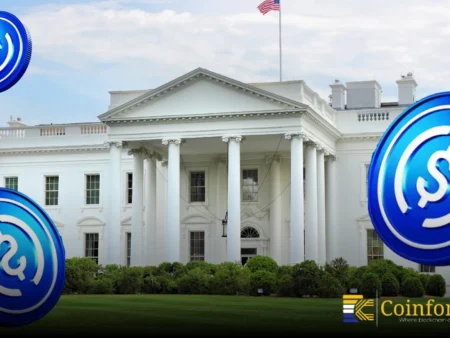
On February 2, 2026, a significant meeting was held at the White House involving bank representatives and crypto advocates. The discussions focused on stablecoin yields but ultimately ended in a deadlock, leaving advocates frustrated. This has further stalled progress on the broader U.S. crypto market-structure bill that many have been eagerly awaiting.
Key Points from the Meeting
- Banks’ Position: Bank lobbyists expressed concerns that yield-bearing stablecoins could undermine traditional banking systems, potentially reducing lending by an estimated $100 billion annually.
- Crypto Advocates’ Push: Representatives argued for legislation allowing interest payments on stablecoins, emphasizing that this could increase adoption and market clarity.
The refusal of banks to compromise highlights a significant friction point in U.S. crypto policy. Lawmakers are now faced with the challenge of balancing consumer protection with the drive for innovation in the rapidly evolving digital asset sector.
Key Players in the Debate
The ongoing negotiations involve various stakeholders:
- Banks: Conventional financial institutions advocating for regulations that protect traditional lending mechanisms.
- Crypto Advocates: Industry representatives seeking clarity and supportive legislation to spur growth.
- Regulators: Government entities pushing for balanced policies that safeguard consumers while allowing innovation.
Impacts of Stalled Negotiations
The ongoing stalemate has significant implications for the broader stablecoin market. If negotiations continue to drag on, legislative clarity could be delayed, affecting not only stablecoin issuers but the entire crypto ecosystem. Investors and companies within the sector closely monitor these discussions to gauge the future landscape.
Potential Consequences of Deadlocked Talks
- Market Uncertainty: Investors may hesitate to engage in stablecoin-related activities due to unclear regulations.
- Investment Delays: Companies may postpone innovations until regulatory frameworks are established.
- Competition Among Cryptocurrencies: A lack of clarity may hinder stablecoin growth and bolster alternative cryptocurrencies that do not face the same scrutiny.
Future Implications for the Stablecoin Market
As both sides prepare to return to negotiations, the outcome of these discussions will significantly shape the future of U.S. stablecoin regulation. The White House has emphasized the need for realistic proposals to ensure productive talks.
Expected Developments
- Increased Scrutiny: Any new regulations are likely to involve more oversight and compliance requirements.
- Possible Compromises: Both banks and crypto advocates may need to find common ground, especially in areas related to interest-bearing stablecoins.
Conclusion
The future trajectory of the stablecoin market in the U.S. hinges on the outcomes of these critical negotiations. As we await further developments, it is essential to remain informed and engaged. Stability in the regulatory landscape can foster innovation and growth, paving the way for a more integrated financial system that benefits both traditional banks and digital asset companies.
FAQs
What are stablecoins?
Stablecoins are digital currencies designed to maintain a stable value, often pegged to a fiat currency like the U.S. dollar. They aim to combine the benefits of traditional currency with the efficiencies of digital transactions.
Why is regulation important for stablecoins?
Regulation is crucial to ensure consumer protection, prevent fraud, and create a clear framework that fosters innovation while maintaining financial stability.
What is the current status of stablecoin regulation in the U.S.?
As of now, stablecoin regulation is in a state of flux, with ongoing negotiations between banks and crypto advocates stalling legislative progress. Both parties are urged to return to the negotiation table with realistic proposals to advance discussions.
For further authentic updates and information, please visit the official site.